Termite Tenting in Bellingham, WA
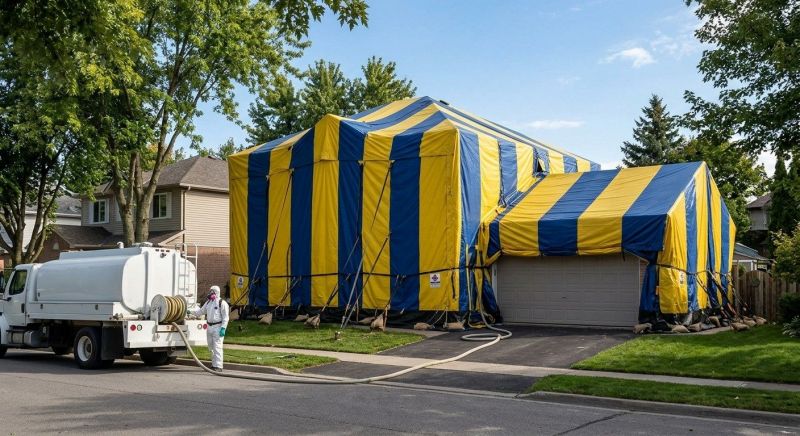
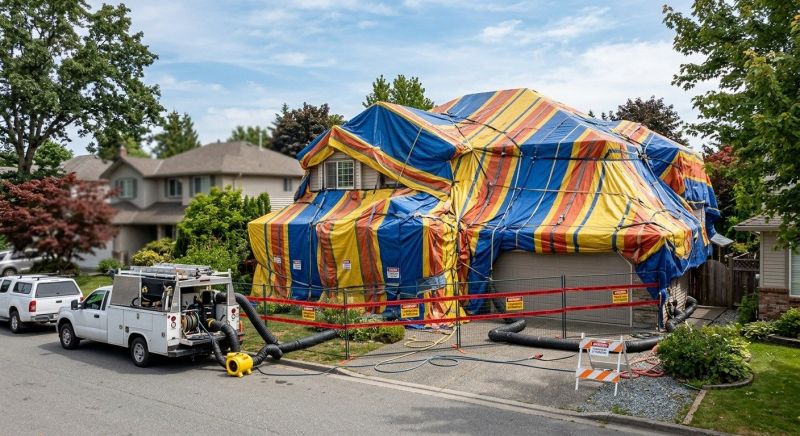
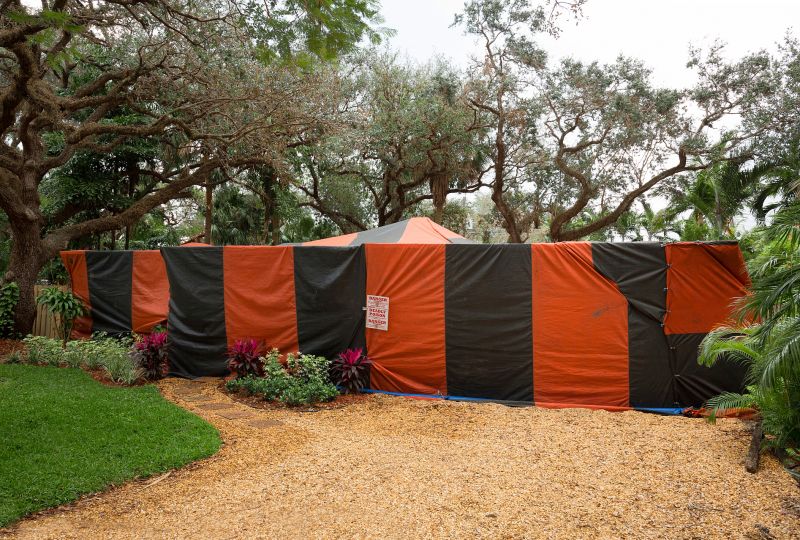
Termite tenting services involve the use of specialized equipment to treat entire properties for termite infestations. This process typically includes covering the structure with large, airtight tents and releasing a fumigant that penetrates wood, walls, and other materials to eliminate termites and their colonies. Tenting is often requested for severe or widespread infestations, especially when other treatment methods have proven ineffective or when property owners want a comprehensive solution for long-term protection.
Homeowners considering termite tenting should understand that the process requires temporary evacuation and preparation of the property, such as removing food, plants, and pets. It’s important to evaluate the extent of the infestation and determine if the property is suitable for tenting, especially in cases involving multiple structures or sensitive items. Consulting with a pest control professional can provide clarity on the procedure, safety precautions, and post-treatment steps to ensure effective results.
Many property owners in Bellingham, WA look into Termite Tenting for repairs, replacements, upgrades, and appearance-related improvements.
Termite Tenting Overview
Effective treatment for eliminating termite colonies in residential and commercial properties.
Preparation And Safety
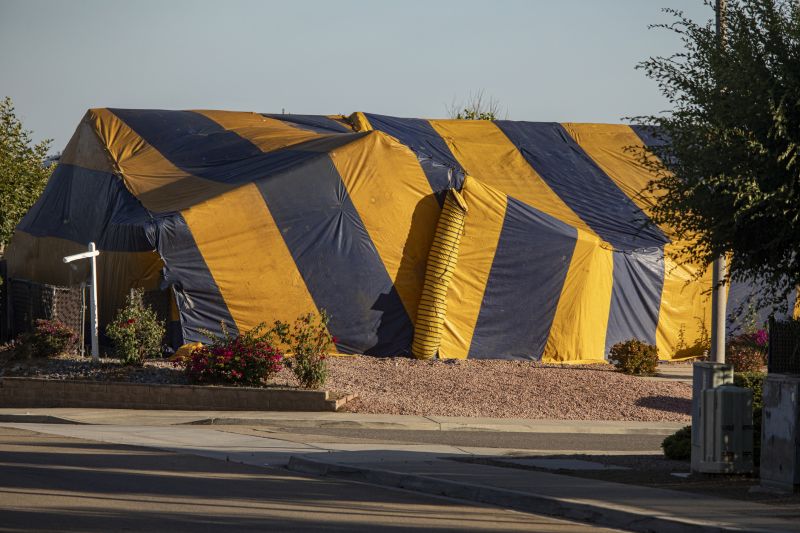
Proper preparation ensures safety and effectiveness during the termite tenting process.
Post-Treatment Care
Guidance on maintaining a termite-free environment after the tenting procedure.
Termite Tenting in Bellingham, WA
Termite tenting services involve the use of specialized equipment to treat entire properties for termite infestations. This process typically includes covering the structure with large, airtight tents and releasing a fumigant that penetrates wood, walls, and other materials to eliminate termites and their colonies. Tenting is often requested for severe or widespread infestations, especially when other treatment methods have proven ineffective or when property owners want a comprehensive solution for long-term protection.
Homeowners considering termite tenting should understand that the process requires temporary evacuation and preparation of the property, such as removing food, plants, and pets. It’s important to evaluate the extent of the infestation and determine if the property is suitable for tenting, especially in cases involving multiple structures or sensitive items. Consulting with a pest control professional can provide clarity on the procedure, safety precautions, and post-treatment steps to ensure effective results.
Many property owners in Bellingham, WA look into Termite Tenting for repairs, replacements, upgrades, and appearance-related improvements.
Common Termite Tenting Jobs
Termite Tenting - a treatment method that involves enclosing a property to eliminate termites.
Whole-structure fumigation - used to treat extensive infestations affecting entire buildings.
Pre-construction tenting - applied before new construction to prevent future termite issues.
Re-infestation prevention - helps protect homes after initial termite treatments.
Infestation detection - identifies termite activity that requires tenting treatment.
Post-treatment inspections - confirm the effectiveness of the termite tenting process.


Termite Tenting Questions
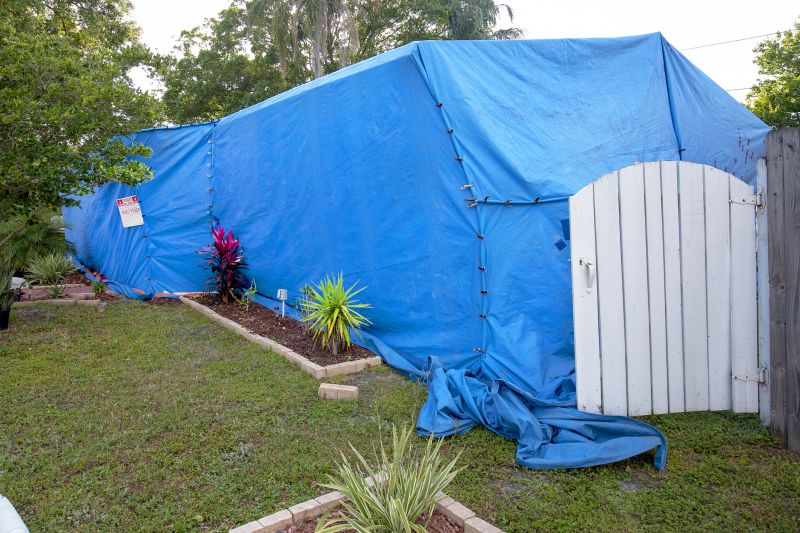
What is termite tenting? Termite tenting involves covering a property with a specialized tarp and releasing gas to eliminate termites inside the structure.
When is termite tenting recommended? Tenting is typically used when there is a significant termite infestation that cannot be controlled with spot treatments alone.
Are there preparations needed before tenting? Yes, property owners should remove food, plants, and pets from the premises and follow specific instructions to ensure safety.
How does termite tenting affect the property? The process temporarily vacates the property and may require cleaning or airing out after treatment before re-entry.
Request Termite Tenting in Bellingham, WA
Use the quote form on this page to share the basics of your project and request more information for the type of work you need.