Common Bird and Bat Infestations Found in Buildings
People seeking bird and bat infestation removal aim to eliminate pests from buildings, and local service providers can safely handle these common issues to protect your property.
Many property owners encounter common bird and bat infestations found in buildings, especially in areas where structures provide easy access to roosting spots. These infestations can lead to issues such as property damage, unpleasant odors, and health concerns from droppings and nesting materials. Understanding the signs of these invasions and knowing how to address them is essential for maintaining a safe and clean environment. Local contractors who specialize in bird and bat removal have the experience and tools necessary to handle these situations effectively, helping property owners protect their investments and ensure their spaces remain comfortable.
Exploring solutions for bird and bat infestations is a practical step for those noticing unusual activity around their buildings. These professionals can assess the situation, identify entry points, and implement humane removal methods that prevent future invasions. Whether dealing with nuisance birds nesting in eaves or bats roosting in attics, property owners can find reliable assistance through experienced service providers. Keep reading to learn more about common signs of these infestations and how local experts can help restore safety and cleanliness to your property.
- Bird infestation removal services are needed when birds have built nests in building eaves, vents, or attics, and local contractors use humane exclusion methods to prevent future entry.
- Bat infestation removal is necessary when bats are found roosting in wall cavities or attics, with service providers safely guiding the bats outside and sealing entry points.
- Bird and bat exclusion work is often sought when signs of infestations appear, and local specialists implement barriers and repairs to keep birds and bats from returning.
- Infestation cleanup services are called for when droppings and debris accumulate, with local pros thoroughly sanitizing affected areas to eliminate health risks.
- Preventive bird and bat control measures are recommended to avoid recurring issues, with local contractors installing deterrents and barriers tailored to the building’s structure.
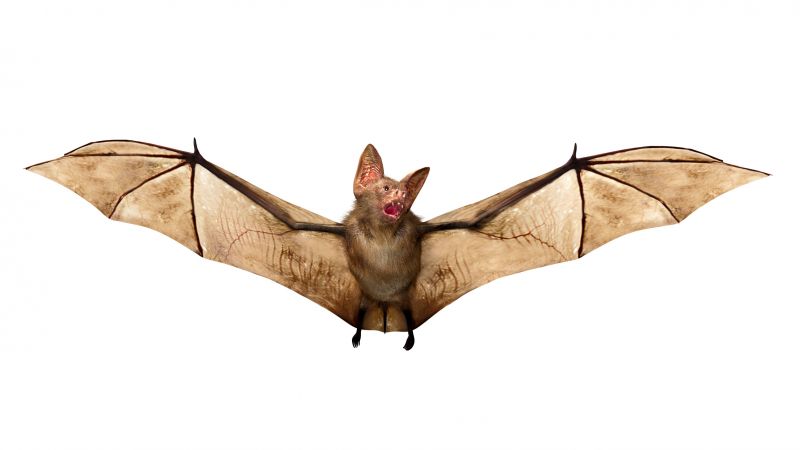
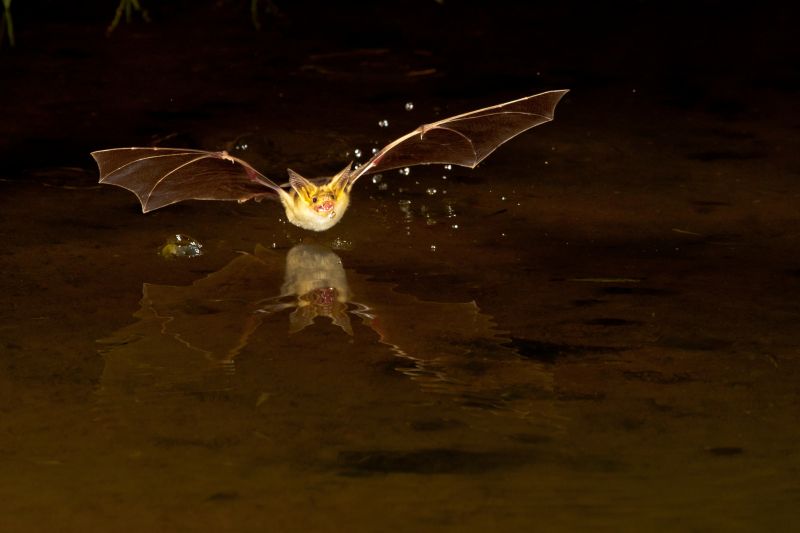
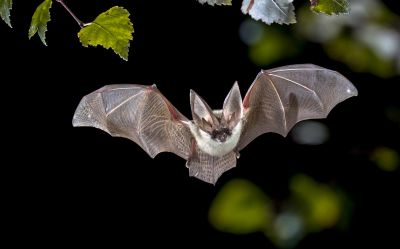
When searching for information about common bird and bat infestations found in buildings, homeowners often want to understand what signs to look for and what types of animals might be causing problems. These searches typically relate to concerns about animals nesting or roosting in attics, eaves, chimneys, or other parts of the structure. People are usually interested in identifying the presence of birds or bats that have taken up residence, as well as understanding the potential damage or health risks associated with these infestations. Recognizing these issues early can be crucial for planning effective removal and exclusion strategies, which local service providers are well-equipped to handle.
The problems linked to these infestations often involve property damage, such as chewed wiring, insulation contamination, or structural wear caused by nests and droppings. Additionally, bird and bat droppings can create unsanitary conditions and pose health hazards, including the spread of diseases. Many property owners consider removal and exclusion plans to prevent future issues, especially if the animals are nesting in hard-to-reach areas. Local contractors who specialize in bird and bat removal can assess the situation, safely remove the animals, and implement measures to keep them from returning, helping to protect the building’s integrity and the health of its occupants.
Common property types affected by these infestations tend to include residential homes, especially those with attics or roof eaves that provide sheltered nesting spots. Commercial buildings, such as warehouses, barns, or office complexes, are also frequently impacted, particularly if they have unused or poorly sealed entry points. Structures with accessible rooflines, vents, or chimneys are more vulnerable to bird and bat activity. Understanding the specific property type can help homeowners and property managers recognize the importance of professional removal services, as these local contractors have experience dealing with the unique challenges posed by different building styles and configurations.
Overall, addressing common bird and bat infestations found in buildings involves identifying signs of animal presence, understanding the potential damage and health risks, and working with local service providers who can perform safe removal and exclusion. These professionals are familiar with the typical entry points and nesting areas for birds and bats, enabling them to develop effective strategies tailored to each property. Connecting with experienced local contractors ensures that infestations are managed properly, reducing the likelihood of recurring problems and helping maintain the safety and integrity of the building.
Wildlife exclusion projects - these projects involve sealing entry points and installing barriers, skills that are essential for removing bird and bat infestations from buildings.
Building inspection services - professionals conduct thorough assessments to identify signs of bird and bat activity, helping to determine the best removal strategies.
Attic cleanup and restoration - after bird or bat removal, local contractors clean and sanitize affected areas, which is a key part of managing infestations in buildings.
Pest and wildlife control - these services often include bird and bat exclusion methods, making them relevant for addressing common infestations found in structures.
Roof and attic repair services - repairing damage caused by bird and bat activity requires specialized skills that local contractors can provide to restore building integrity.
Vent and chimney sealing - sealing off vents and chimneys prevents future bird and bat entries, a crucial step in infestation prevention efforts.
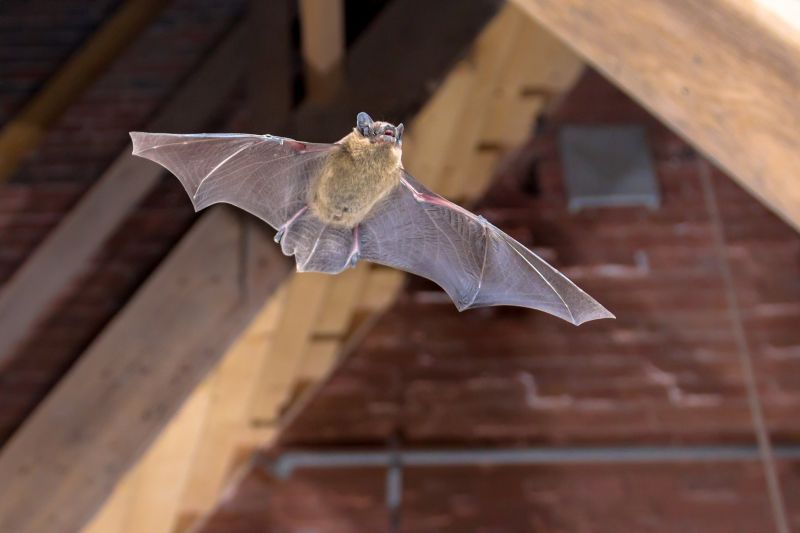
When evaluating service providers for bird and bat infestation removal, it is important to consider their experience with similar projects. Homeowners should look for local contractors who have a track record of handling common bird and bat infestations found in buildings. An experienced professional will be familiar with the typical signs of these infestations, effective removal techniques, and the appropriate methods for preventing future issues. This familiarity can help ensure that the project is managed efficiently and that the removal process minimizes potential damage to the building structure.
Clear written expectations are essential when choosing a bird and bat infestation removal service. Homeowners should seek providers who can offer detailed descriptions of the scope of work, including inspection procedures, removal methods, and follow-up measures. Having a transparent plan helps prevent misunderstandings and ensures that both parties are aligned on what will be done. Good communication is also a key factor; service providers who are responsive and willing to answer questions can make the process smoother and more predictable.
Reputable references and reviews are valuable indicators of a local contractor’s reliability and quality of work. Homeowners are encouraged to ask for references or seek out reviews from previous clients who experienced similar infestations. This feedback can provide insight into the contractor’s professionalism, effectiveness, and ability to communicate throughout the project. Ultimately, selecting a service provider with a solid reputation and a history of successful infestations removal can lead to more confidence in the outcome and a positive experience overall.
Property owners often search for common bird and bat infestations found in buildings when they are planning practical projects around their homes and businesses. Local pros provide Bird and Bat Infestation Removal services for everyday jobs and straightforward project options.
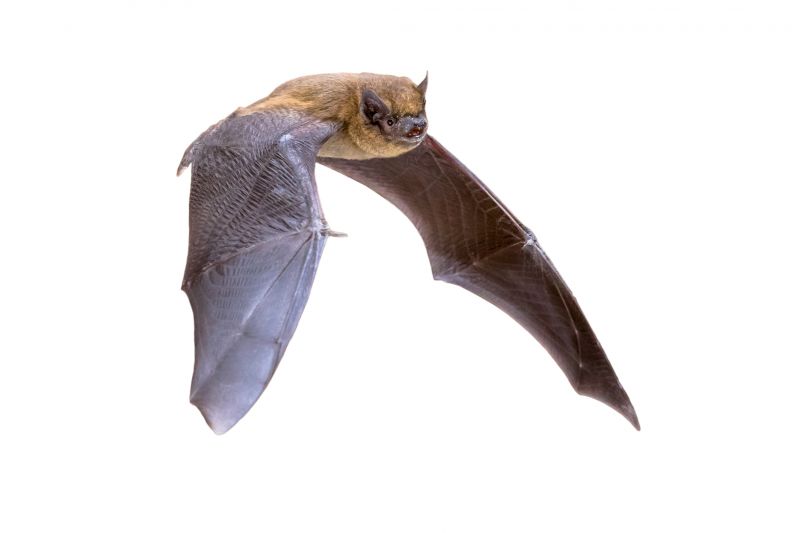
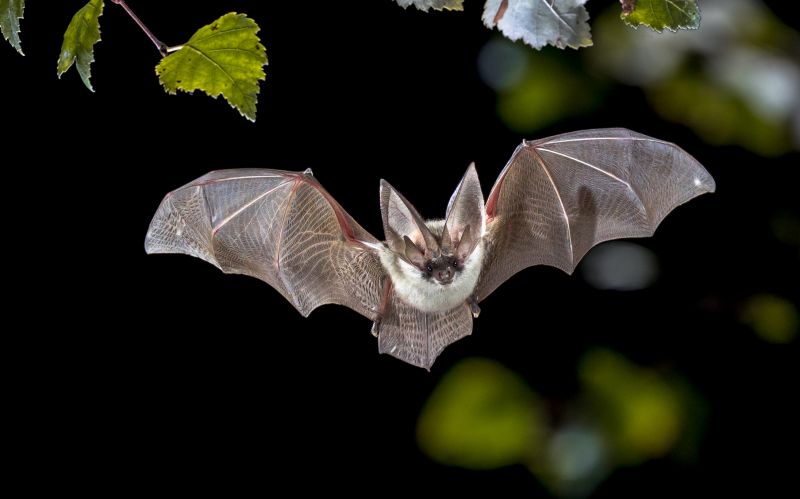
Many property owners in the area encounter common bird and bat infestations found in buildings, especially in attics, eaves, and roof spaces. These animals often seek shelter during colder months or find suitable nesting spots in gaps and openings around the structure. Such infestations can lead to debris buildup, unpleasant odors, and potential damage to the building’s exterior or insulation. Because these situations can develop unexpectedly, many people turn to local contractors who specialize in bird and bat removal services to handle the problem safely and effectively.
Property owners might look up this topic to better understand how to identify signs of bird and bat presence or to learn about the best ways to address an ongoing infestation. Removing these animals typically requires specialized techniques to ensure the animals are safely excluded and that their entry points are sealed properly. Local service providers who focus on bird and bat removal are equipped to handle these situations, helping to restore safety and prevent future issues caused by these common intruders.
What are common bird and bat infestations found in buildings? Common bird and bat infestations in buildings often include nesting in attic spaces, roosting in eaves or vents, and occupying chimneys or soffits.
How can local contractors help with bird and bat infestations? Local service providers can identify entry points, safely remove birds and bats, and implement exclusion methods to prevent future infestations.
What signs indicate a bird or bat infestation in a building? Signs include droppings, nesting materials, sounds of scratching or fluttering, and sightings of birds or bats near or inside the building.
Are bird and bat infestations harmful to a building’s structure? Yes, infestations can cause damage through droppings, nesting materials, and the potential for water leaks or structural deterioration over time.
What methods are used to remove bird and bat infestations? Removal typically involves humane trapping, exclusion barriers, sealing entry points, and cleaning affected areas, all performed by experienced local contractors.
Identifying entry points - property owners can inspect buildings for gaps and openings that allow birds and bats to enter, helping local contractors target their removal and exclusion efforts effectively.
Sealing vulnerable areas - after removal, property owners can work with local pros to seal cracks and vents, preventing future infestations of common bird and bat species.
Installing deterrents - property owners can implement physical barriers or deterrent devices recommended by local service providers to discourage birds and bats from roosting in buildings.
Planning ongoing maintenance - regular inspections and maintenance plans can be developed with local contractors to monitor and address signs of bird and bat activity over time.
If you are thinking about common bird and bat infestations found in buildings for a property, this guide is meant to help you understand this topic, the typical project types, and how different options might fit your plans.
When you are ready, you can use the quote form on this page to share a few details about your project. From there, local pros can review the basics and follow up with options that match what you have in mind.